Home / Academics
A curriculum with room to think.
From the sand pit to Grade 7 exams: a broad, innovative curriculum taught by staff who know each child.
Time to explore, standards to meet.
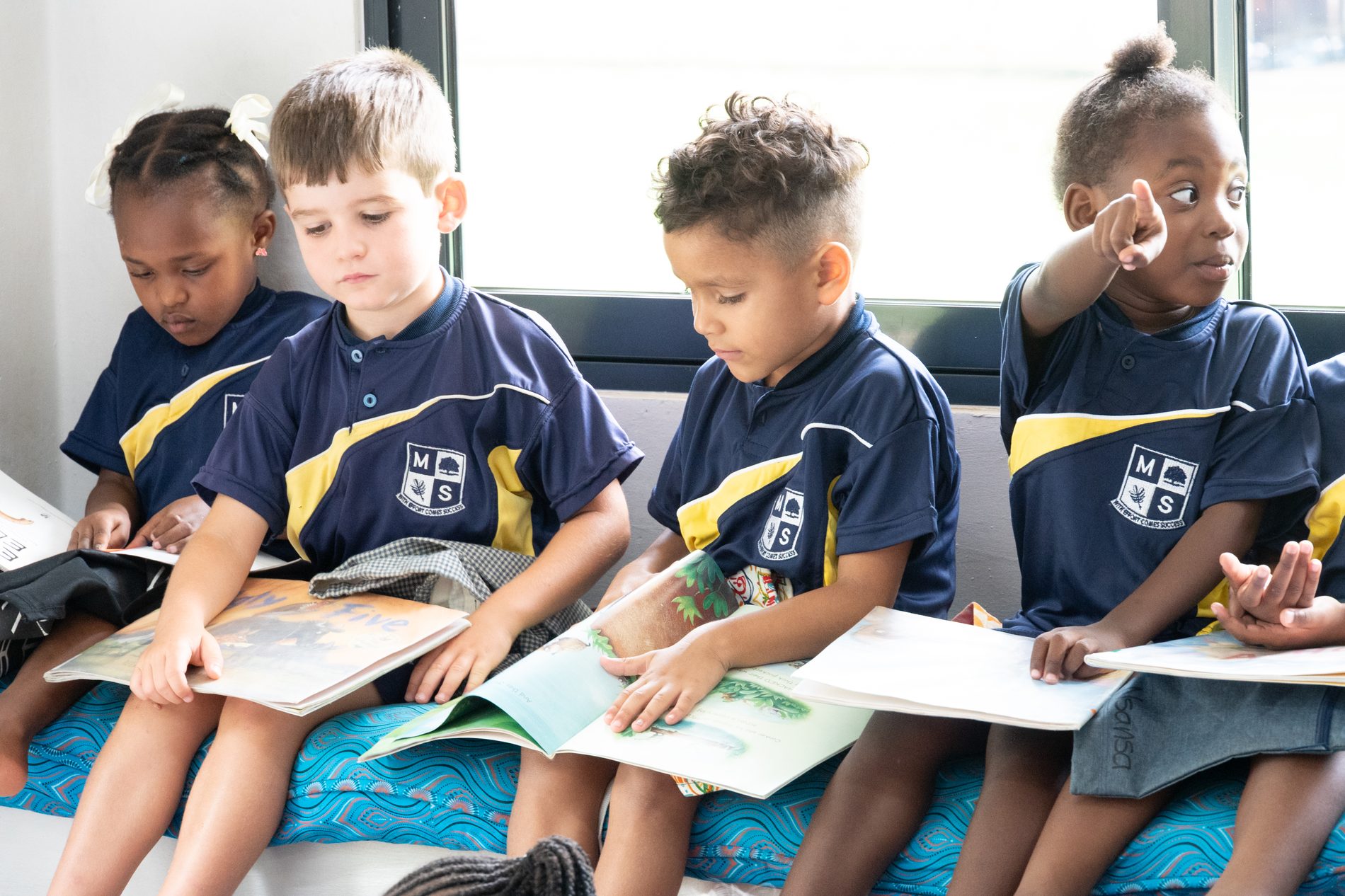
Our well-trained staff, through a broad and innovative curriculum, strive for each child to reach their potential. Musikili’s small classes allow for individual attention and close connections with students, and we aim to instil the 21st century skills of collaboration, creativity and curiosity.
You will often see our Pre-Prep learners riding their bicycles or building sandcastles. Our safe, free-to-move campus is ideal for play and experiential learning.
Creating a love of learning is the core focus of our teaching in the Foundation Phase, where numeracy and literacy form part of the daily routine so that children make meaningful connections with the world around them.
Cambridge, and more.
Cambridge curriculum
Children follow the Cambridge curriculum, sit internationally recognised assessments, and leave Musikili ready for senior school in Zambia or abroad.


Independent school affiliation
Musikili is affiliated to the Independent Schools Association of Southern Africa (ISASA) and the Independent Schools Association of Zambia (ISAZ).

Benchmark testing
We benchmark children against international norms using ACER assessment, so progress is measured against a wider standard than our own classrooms.
Three phases, one journey.
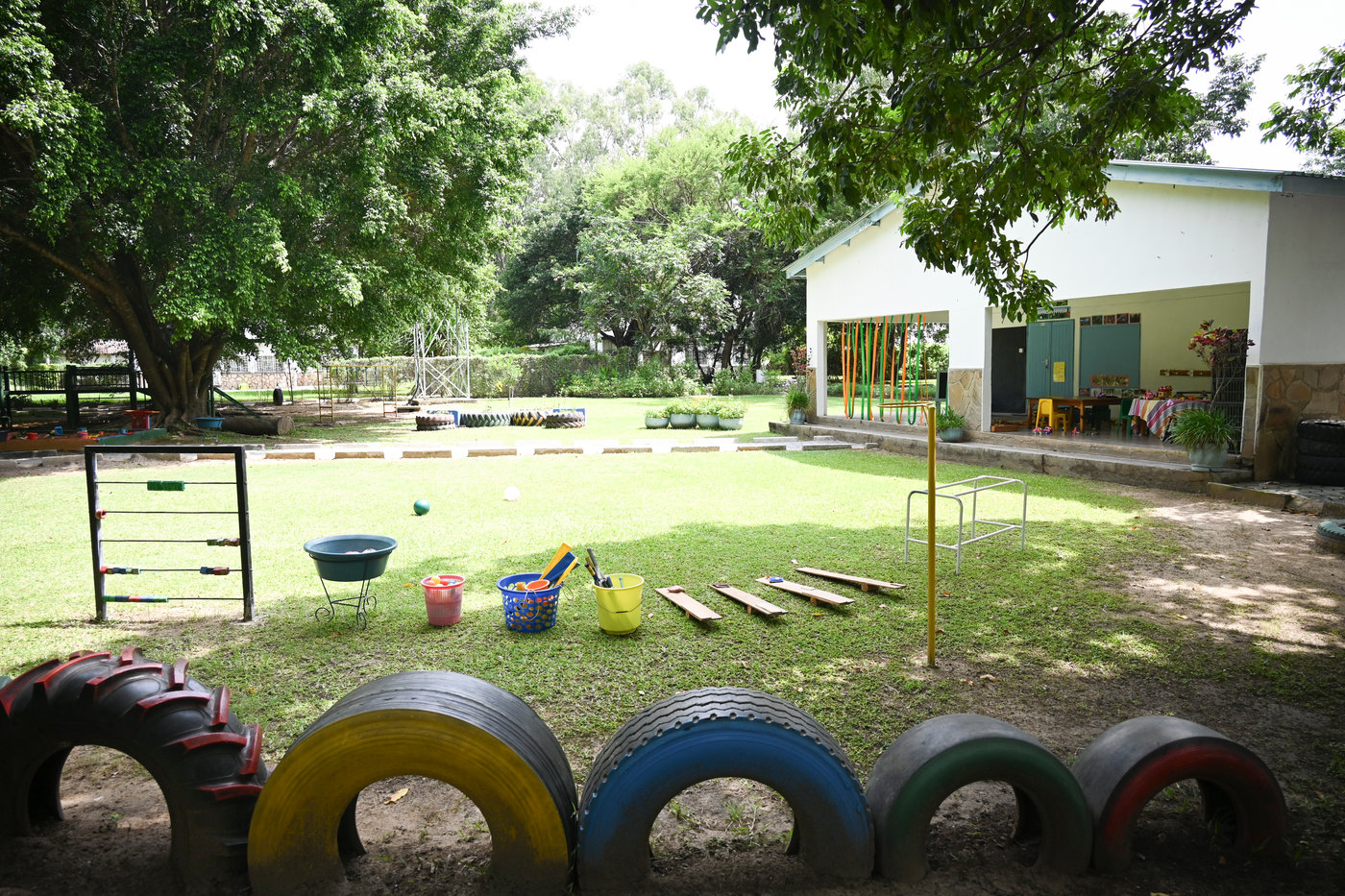
Where it begins
A standalone classroom in a fenced garden, taught as a family group by a pre-school specialist.
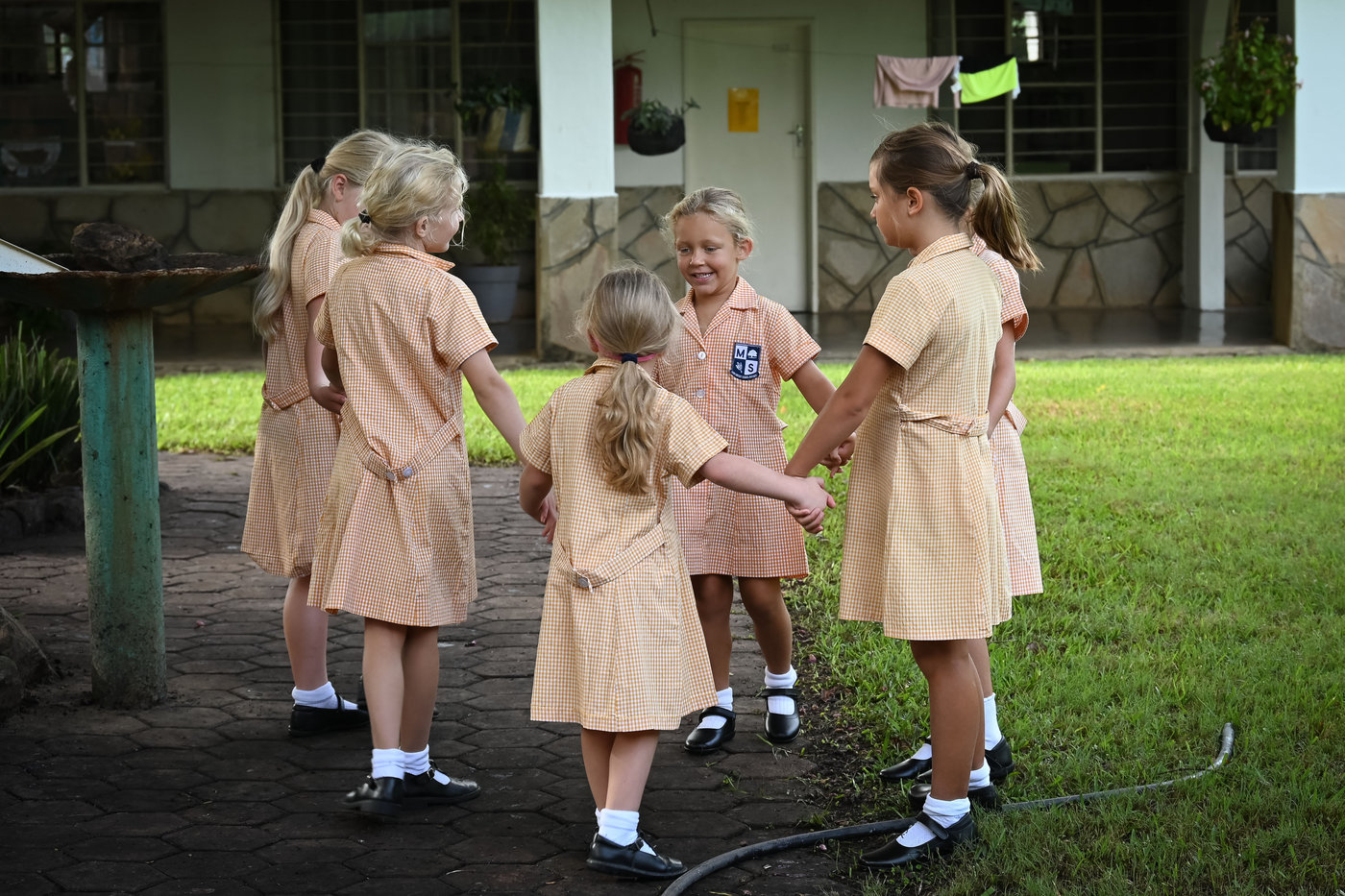
Foundations, unhurried
Topic-led learning that links each term’s work, so that children become active rather than passive learners.
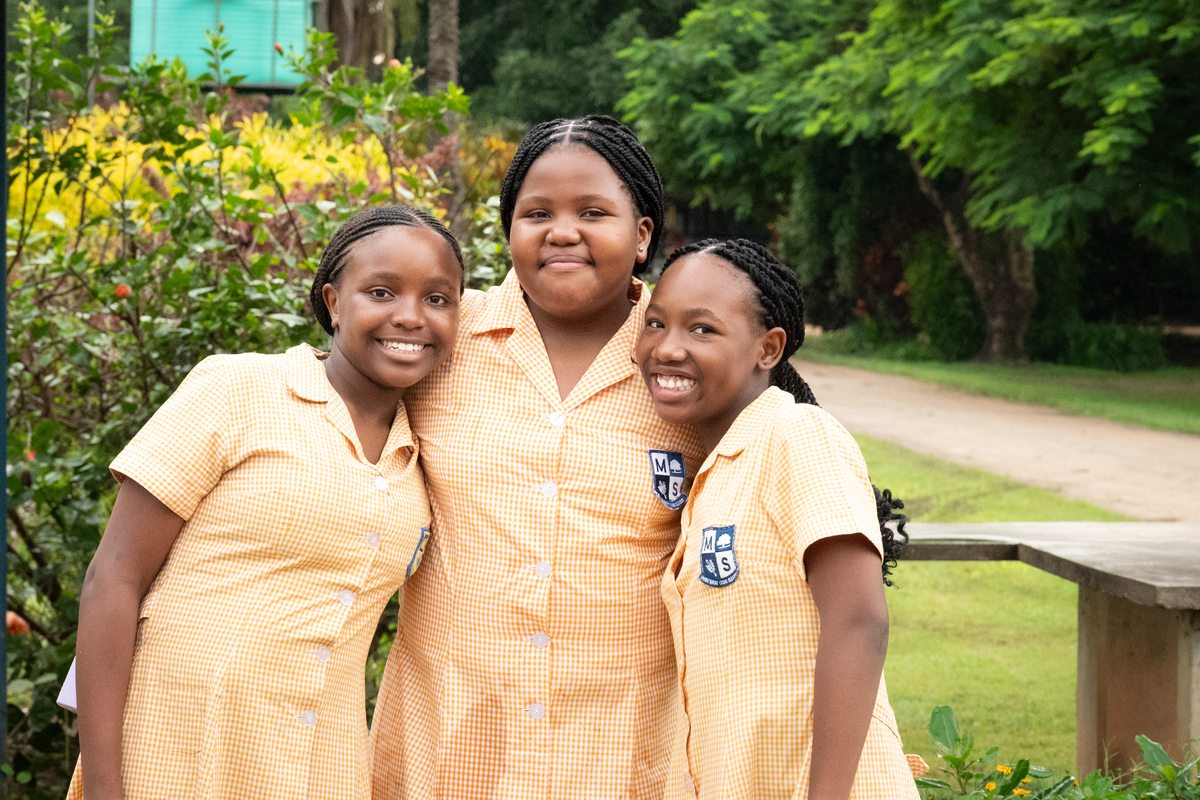
Ready for what’s next
Grades 4 to 7: specialist teaching, formal assessments and a confident step into senior school.
The Justin Learning Centre is not a phase — it is additional support and extension available to children in every grade. How support works →
A gentle, playful start.
The Early Years class caters for children turning 3 by the first day of Term 2, through to children turning 5 or 6 in their Grade R year. It is taught as a family group by a pre-school specialist, assisted by two classroom assistants.
Early Years children may attend three or five days a week; Grade R children attend five days. The classroom is a standalone facility within a fenced garden with a multi-faceted jungle gym and space to run.
Most of what a child really needs to know about how to live — share everything, play fair, say sorry, be aware of wonder — is learned here.
Instead of racing ahead, we give time.
True education begins long before exams are on the horizon. It is only by having time to explore new concepts that a child asks the questions nobody else thought of, makes connections to past experience, and becomes fully immersed in a subject.
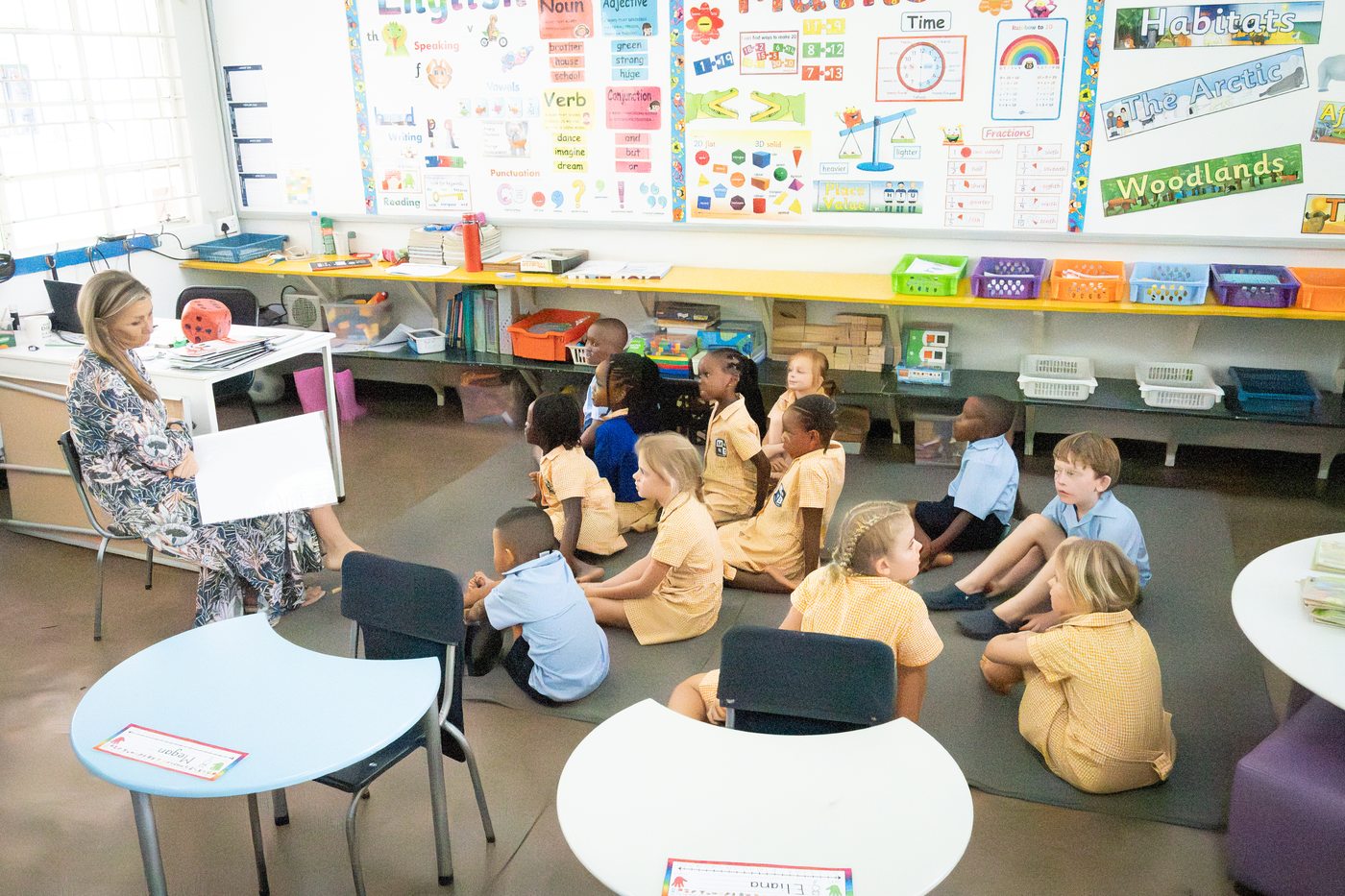
Our creative early years curriculum sees classes choosing a new topic every term or half term, with everything they learn linking to that theme. Because children help investigate the topic and have a say in what they study, they become active rather than passive learners.
Some of the most valuable learning happens outside the classroom, so each class begins a new topic with a fact-finding mission — using technology, or simply engaging with our surroundings.
Confident, accomplished, ready.
Our Senior School takes children on a journey from which they emerge ready and excited to join their senior schools. In Grades 4 and 5 we lay the foundations; in Grades 6 and 7 children prepare for assessments and sit examinations in English, Maths, Integrated Science and Social Studies.
Like many schools we have largely opted out of formal assessments in the earlier years, which allows a flexible and creative approach to History, Geography and Science. Alongside academic subjects, children have timetabled lessons in Art, Design & Technology, Music, PE, Life Skills and ICT.
Our Mathematics programme is based on Number Sense, so pupils experience mathematics as a living subject, developing strategies and flexibility with number. Problem solving sits at the centre.
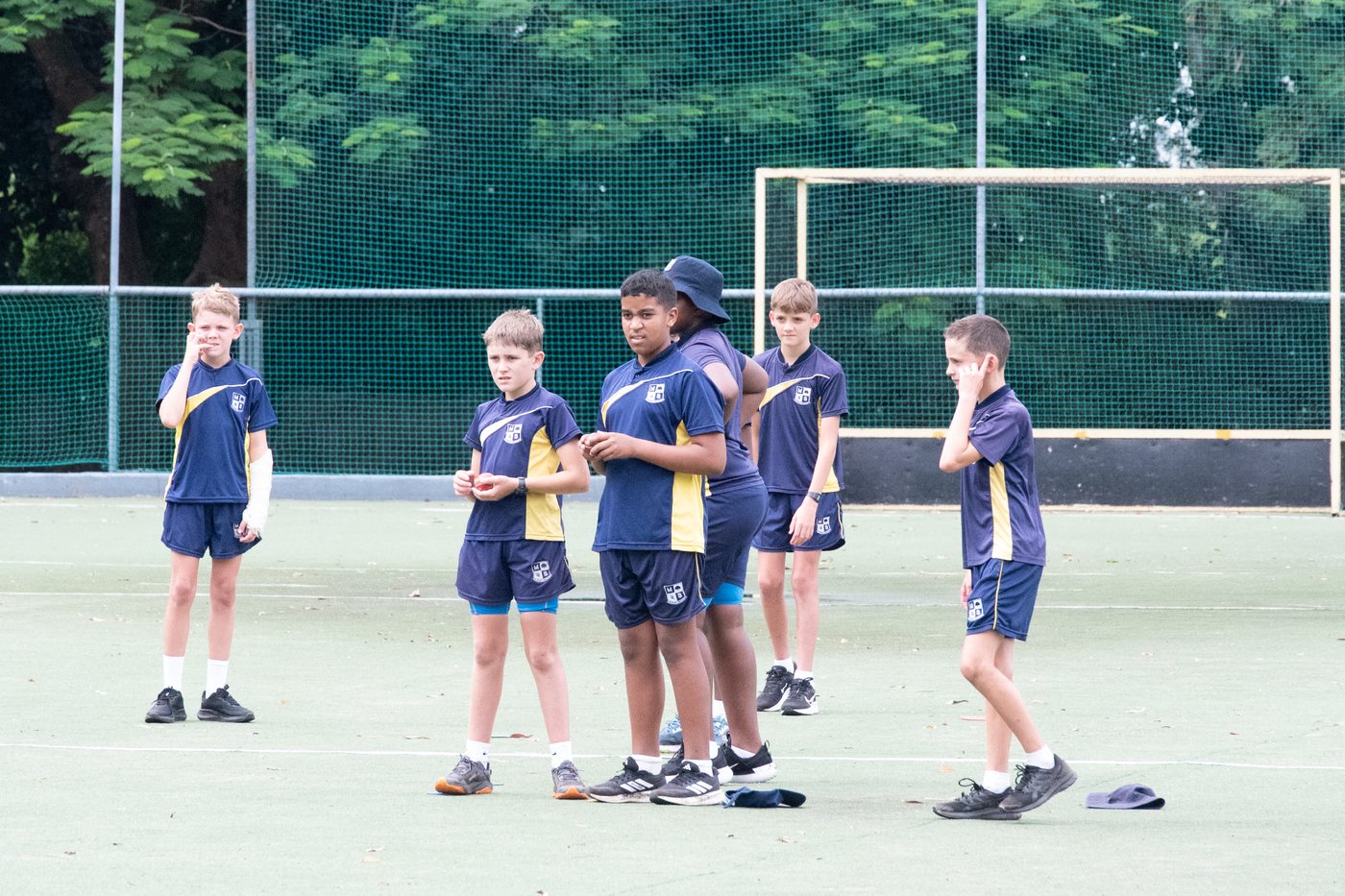
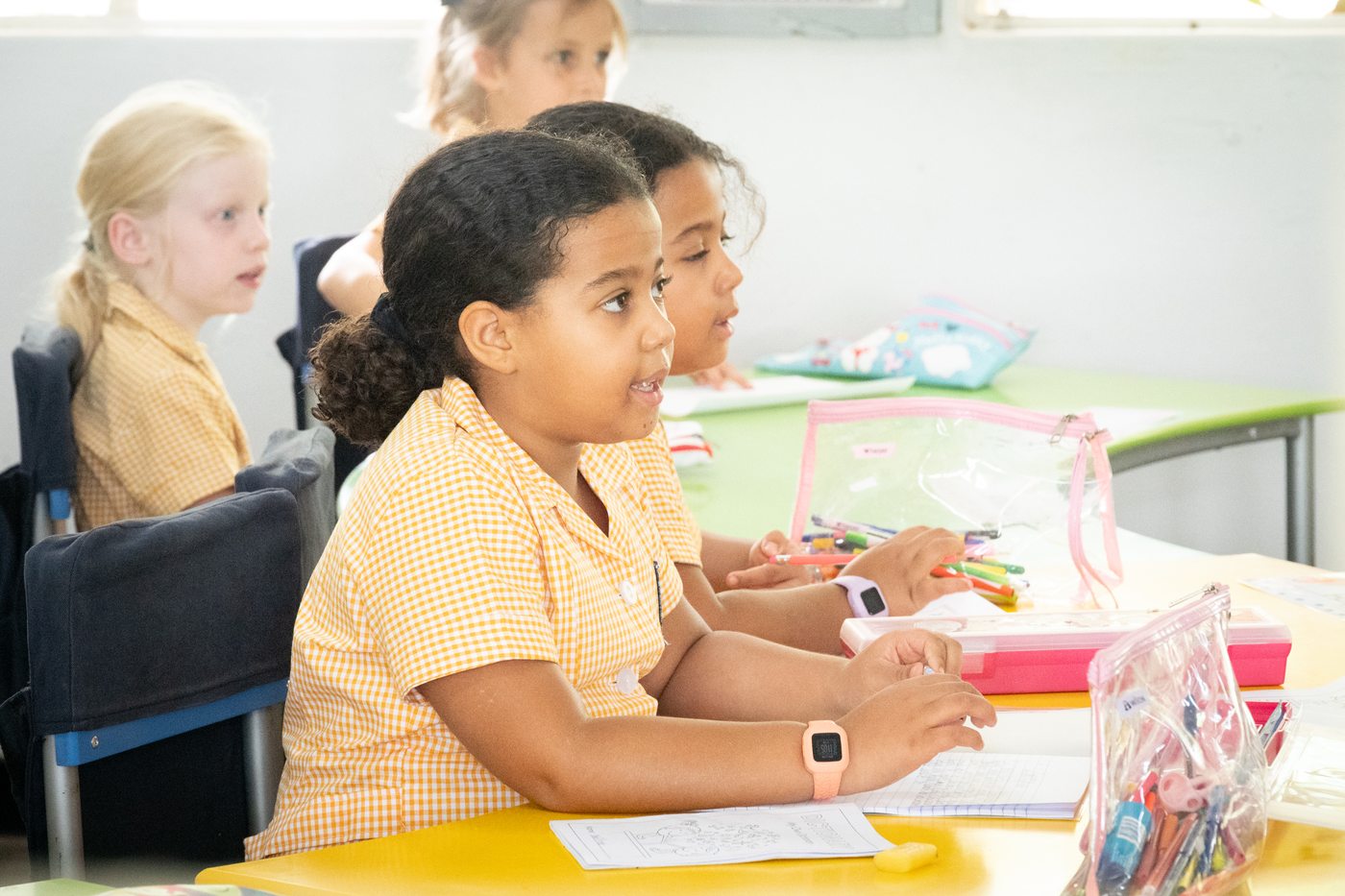
The Justin Learning Centre.
Not a phase and not a class of its own. The Learning Centre is an extra layer of support for children who need it, and extension for those ready for more — children stay in their grade and come to the Centre for focused sessions.
This addition to our campus was made possible by the members of the Justin Trust Fund, and reminds us of the strength of support within the Musikili community.
An academic extension programme identifies the most able children in each subject area every year and gives them extension activities that challenge and stimulate them — out-of-the-box thinking at and above their academic level.
We also recognise that not everyone learns at the same pace or in the same way. The Learning Centre provides individual and group support for children who find literacy or numeracy difficult, so that they can take part in a full and rich curriculum. We see learning differences as temporary stumbling blocks rather than barriers.
What we teach.
Instruction is also given in Class Music, and Physical Education is part of the weekly timetable. Learners may opt for private music lessons with a specialist teacher.
Languages & humanities
English, French, Social Studies, Zambian Studies and Religious Studies.
Mathematics & science
Mathematics (Number Sense), Natural Science and Integrated Science.
Practical & creative
Art, Design & Technology, Music, ICT and Life Skills.
Beyond the timetable
Project Weeks each year bring grades and specialist teachers together on a single stimulating group project.